Exploration registration procedure
Form 3‑gr is a list of studies that require mandatory registration for effective results of subsurface exploration.


Інститут геології - надійний партнер у надрокористуванні.
Інститут Геології виконує ОВД, ГЕО, пакети документів на отримання спецдозволів, проекти ДПР, розробки родовищ та гірничих відводів.

Form 3‑gr is a list of studies that require mandatory registration for effective results of subsurface exploration.

Well drilling plan is the core technical document prepared for the design and execution of well construction works.

The aim of prospect drilling is carrying out the search for mineral resources or preparation for drawing up a field-development program.
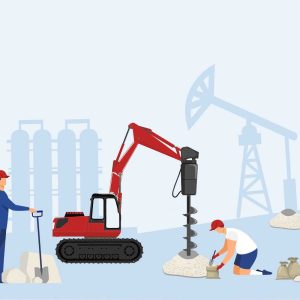
A private well provides reliable, high-quality groundwater and independence from centralized water supply in the Kyiv region.

Water wells passport contains information about the technical state of the well, geological and ecological parameters.

Special water use permit is the basis aimed to ensure the rational use of water resources.
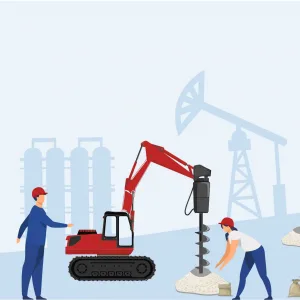
Drilling wells and sampling play a crucial role in various industries, from oil exploration to environmental research.
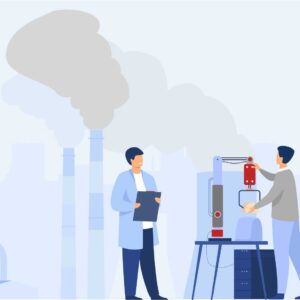
Pilot Production Plan defines the scope, methodology, and objectives of pilot-scale testing to validate production technologies and parameters.
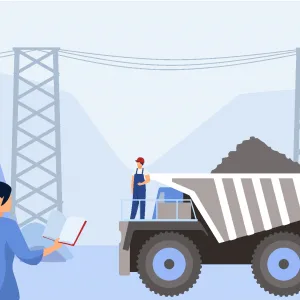
Test Pilot Production is a complex of activities that includes scientific research and industrial development.
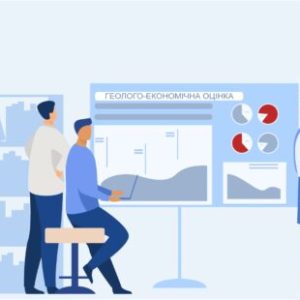
Reserves Calculation is a professional service focused on determining the quantity, quality, and economic viability of mineral reserves based.

Technical plan is a document that ensures extraction and optimal use of groundwater.
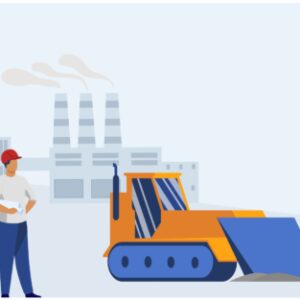
The working draft of development is a document that covers the design, construction and putting deposits into operation.

The Institute of Geology provide qualified assistance in the process of obtaining a positive conclusion on the environmental impact assessment.

Sanitary protection zones (SPZ) are organized at all water intakes which are used for economic and drinking purposes.

A Land Zoning Plan defines permitted land uses and functional zones of a territory in accordance with planning and regulatory requirements.
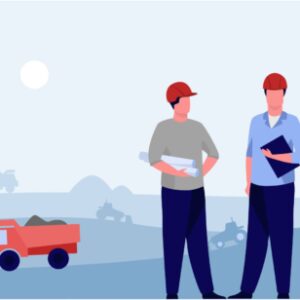
The mining development plan is a document that contains information about mining processes’ drift and the program of production volumes.
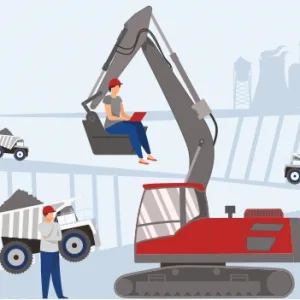
Extraction requires strict legal compliance, environmental responsibility, and safe, sustainable mineral production.

Acquiring a subsoil use asset requires professional assessment beyond finance.
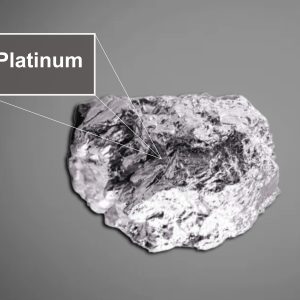
PGE are a rare and valuable raw material for many critical branches of modern automotive industry.
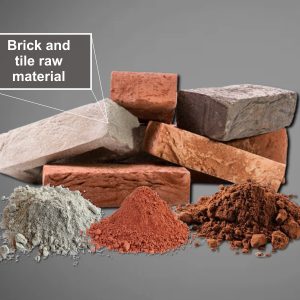
Brick and tile raw materials — are natural clay rocks that have wet plasticity and the ability to harden after firing.