


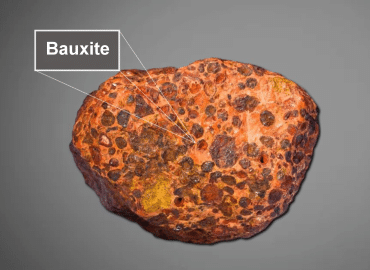
Aluminum ores: properties, mineral resources, and applications
Aluminum ores — is the main source of aluminum, which has wide application in industry, construction and alloy production.
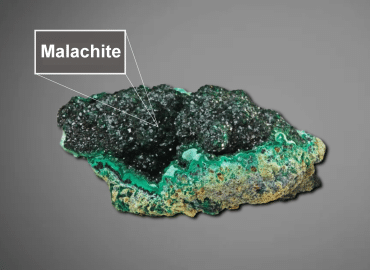
Copper ores: properties, distribution, and significance
Copper is one of the most important non-ferrous metals, which is widely used in electrical engineering and energy.
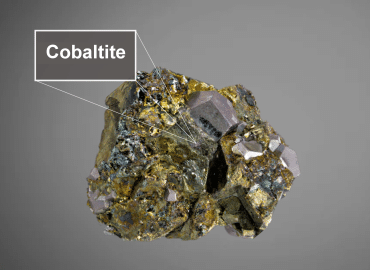
Cobalt ores: genesis, resources, uses, and Ukraine’s potential
Cobalt ores are an important source of strategic metal, which is widely used in high-tech industries.
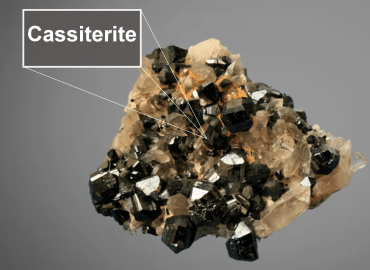
Tin ores: resource potential and prospects for development in Ukraine
Tin ores are used in modern technologies, in particular in electronics, mechanical engineering and alloy production.
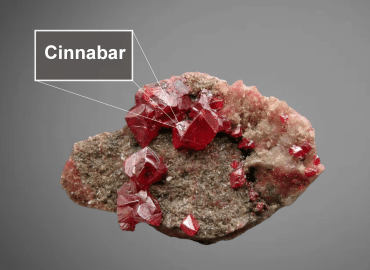
Mercury ores: properties, resource base, and prospects
Mercury ores are a strategically important raw material used in the chemical, mining and instrument-making industries.
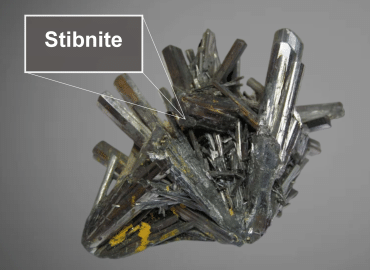
Antimony ores: resource potential and development prospects in Ukraine
Antimony ores are a valuable raw material for many strategic industries, from metallurgy and electronics to medicine.
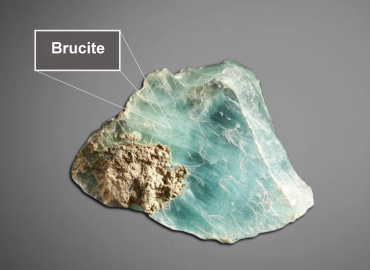
Magnesium ores: types, deposits, uses, and extraction
Magnesium ores are formed under the conditions of evaporation of salt basins or metamorphism of ultramafic rocks.
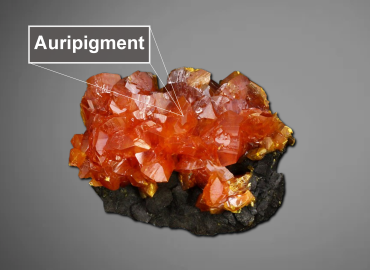
Arsenic ores: types, deposits, uses, and extraction
Arsenic, which has long been used in medicine, has found its application in metallurgy, chemical industry and electronics.
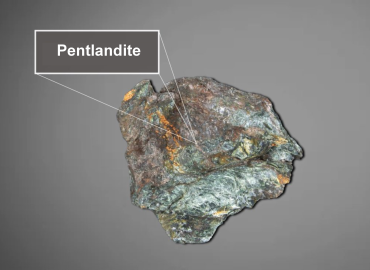
Nickel ores: history, properties, deposits, and applications
Nickel ores — is an important source of nickel, which is widely used in metallurgy, chemical industry and alloy production.
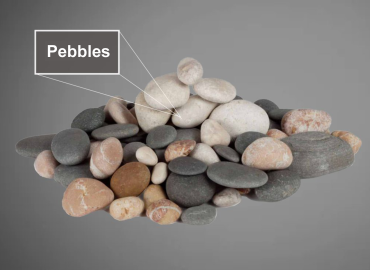
Natural pebbles: formation, characteristics, and practical significance
Pebbles are a valuable natural material that is widely used in construction, landscape design and decoration.
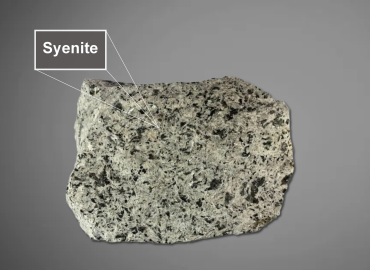
Syenite: origin, properties, and significance of the rock
Syenite is a deep igneous rock that formed as a result of slow cooling of magma deep underground.
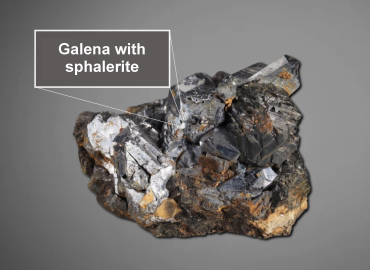
Lead and zinc ores of Ukraine: resources, deposits, and prospects
Lead and zinc ores are widely used in the production of alloys, for anti-radiation protection, electronics and medicine.
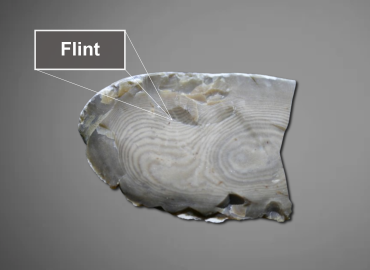
Flint: origin, properties, and applications
Flint — is a hard sedimentary rock that is widely used in the production of abrasives, decoration and architectural elements.
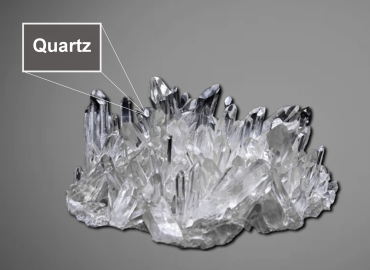
Quartz: a mineral with a thousand faces
Quartz is a natural beauty that hides in ordinary things.
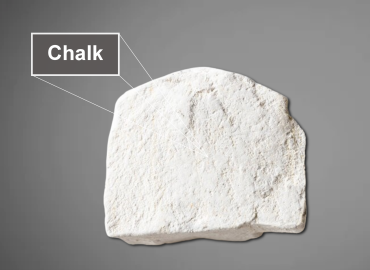
Chalk. Characteristics and deposits of high-quality raw materials
Chalk is a soft sedimentary rock consisting mainly of calcite remains of marine organisms.
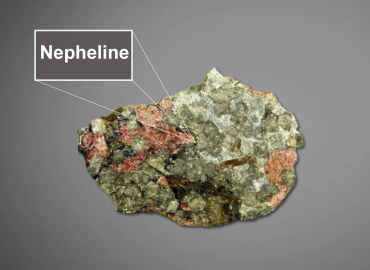
Nepheline. Properties, genesis and use
Nepheline is a mineral of the class of aluminosilicates and a valuable industrial raw material of great importance.
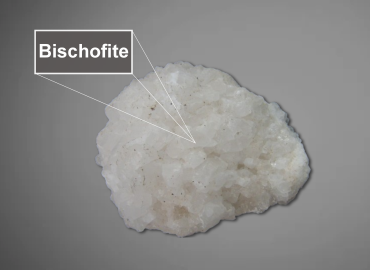
Bischofite. History of the mineral, its distribution and use
Bischofite is a natural mineral-chloride rich in magnesium, which is formed during the evaporation of salt pools.
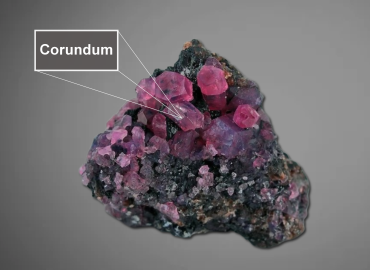
Corundum: varieties, geological-industrial types of deposits, and occurrences
Corundum is a superhard aluminum oxide formed in metamorphic and magmatic conditions and has a characteristic glassy shine.
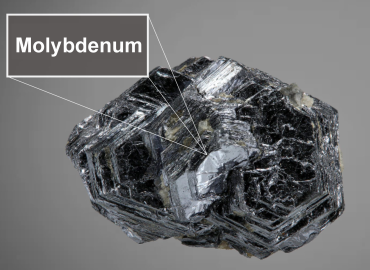
Molybdenum ores: strategic raw material and development prospects
Molybdenum is widely used in metallurgy for alloying ultra-strong steels for demanding applications.
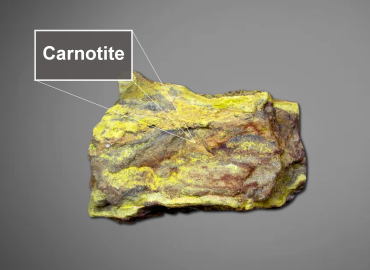
Vanadium ores: reserves, mining, and development prospects in Ukraine
Vanadium — is a strategic metal with wide applications in the steel, aviation, energy and chemical industries.
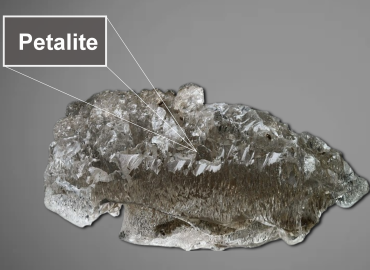
Lithium ores: mineralogy, deposits, and prospects for extraction in Ukraine
Lithium ores — is a source of strategic metal widely used for batteries, aerospace metallurgy and ceramics
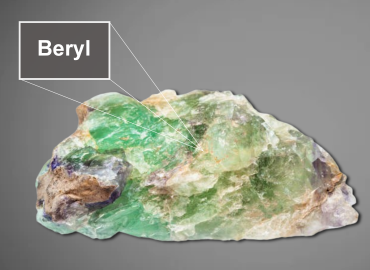
Beryllium ores: history, properties, deposits and applications
Beryllium ores are a valuable source of a lightweight and strong metal used in the aerospace, electronics, and defense industries.
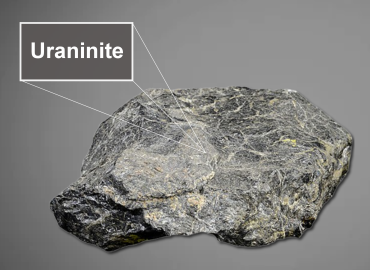
Uranium Ores: properties, deposits, and applications
Uranium ores are natural mineral formations containing uranium at concentrations suitable for industrial extraction.
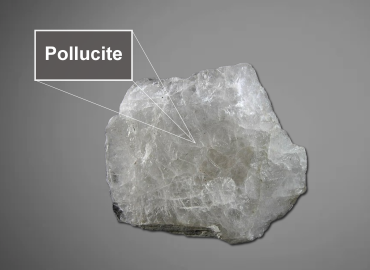
Rubidium and cesium: properties, deposits, and applications
Rubidium and cesium are rare alkali metals that occur mainly in rare-metal pegmatites and salt deposits.
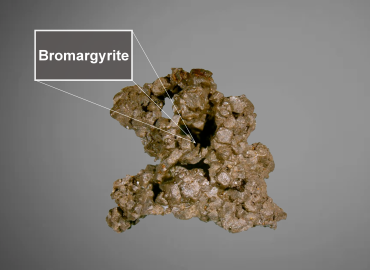
Iodine and bromine. Characteristics and distribution in Ukraine
Iodine and bromine are halogens of significant industrial importance, and in Ukraine they are concentrated in mineral waters.
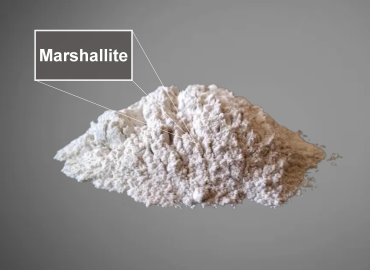
Marshallite. Uses, extraction and deposits
Marshallite consists of tiny quartz crystals that may seem insignificant, but they have great practical and scientific importance.
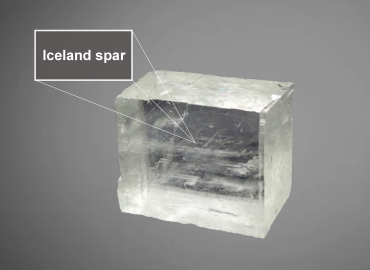
Iceland spar. Discovery of the mineral and its distribution
Iceland spar is a unique variety of calcite capable of splitting a light beam into two rays.
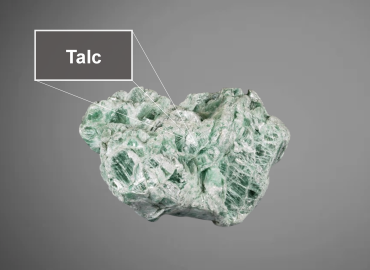
Talc. Properties, reserves and extraction
Talc is an extremely soft, layered silicate that forms during the metamorphism of ultramafic rocks and can be easily ground into a powder.
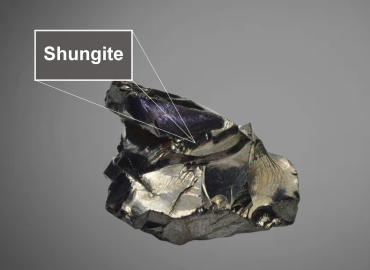
Shungite. Special properties and classification of the mineral
Shungite — is a carbon-containing metamorphic rock enriched with amorphous carbon and known for its sorption properties.
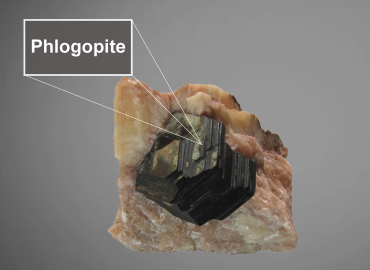
Phlogopite. Distribution in Ukraine and uses of the mineral
Phlogopite is a mineral from the mica group known for its fire resistance, thermal insulation properties and decorative appeal.
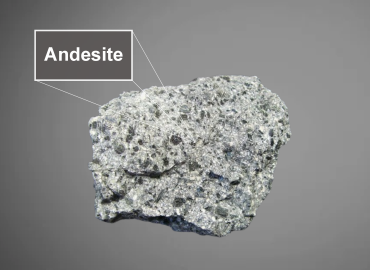
Andesite. Properties, varieties and distribution
Andesite — is an volcanic or subvolcanic rock of porphyry structure consisting mainly of medium plagioclase.
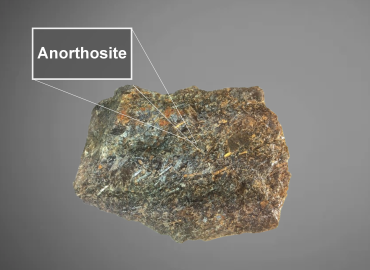
Anorthosite. Origin and deposits in Ukraine
Anorthosite is an igneous rock of the gabbro group, which lies in massifs and is characterized by almost complete dominance of plagioclase.
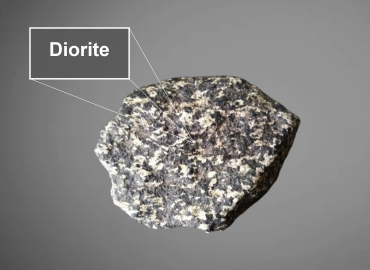
Diorite. Appearance and formation of the rock
Forming in deep conditions, diorite acquires a coarse-grained structure and decorative properties.
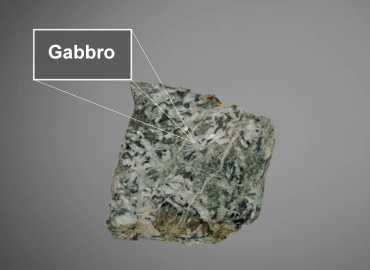
Gabbro. Characteristics of the rock, extraction, and processing
Gabbro is an intrusive igneous rock of the main composition, which forms significant massifs and is widely used as a valuable raw material.
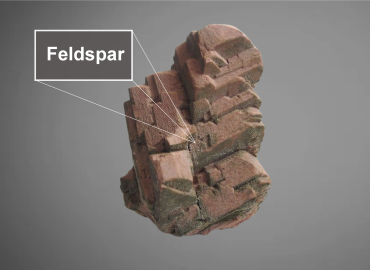
Feldspars are the most common minerals of the silicate class
Feldspars — are a group of aluminosilicate minerals that are the most common rock-forming components of the earth’s crust.
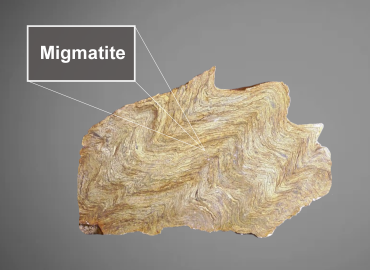
Migmatite. Features of rock formation and its types
Migmatite is a complex rock that consists of two or more components (paleosoma and neosoma), usually repeated layered.
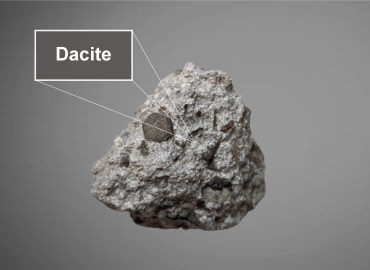
Dacite. Properties, distribution and space discoveries
Dacite is a medium-silicate volcanic rock between andesite and rhyolite, consisting mainly of plagioclase and quartz.
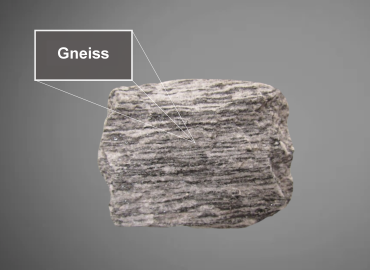
Gneiss. Properties, genesis, distribution in Ukraine
Gneiss is a durable rock that is formed under the influence of high temperatures and pressure in the depths of the earth’s crust.
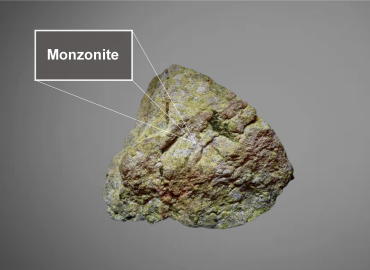
Monzonite. Unique composition of the rock and variety
Monzonite is a coarse-grained (phaneritic) igneous rock. It is known for its intermediate composition between two types of rocks: diorite and syenite.
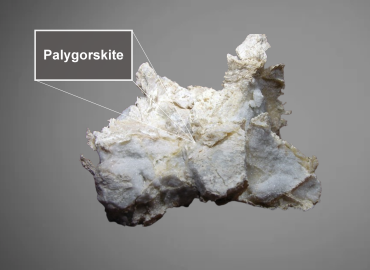
Palygorskite. Unique properties of the rock and its distribution
Palygorskite, also known as attapulgite, is a clay mineral, an hydrous magnesium silicate with a filamentous chain-layered structure.
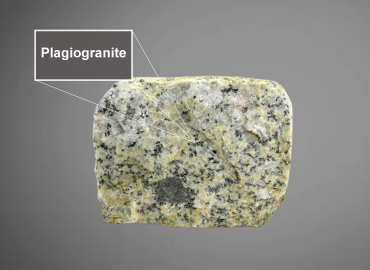
Plagiogranite. Intrusive rock as a witness of the deep processes of the planet
Plagiogranite. Intrusive rock as a witness of the deep processes of the planet Plagiogranite is a light-gray granite characterized by […]
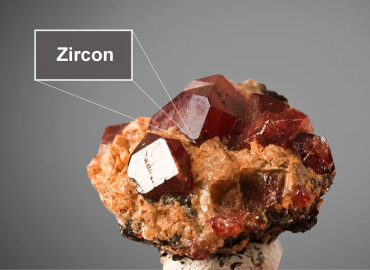
Zirconium and hafnium. Properties and distribution
Hafnium and zirconium are important metals which, due to their unique physicochemical properties, are widely used in nuclear energy.
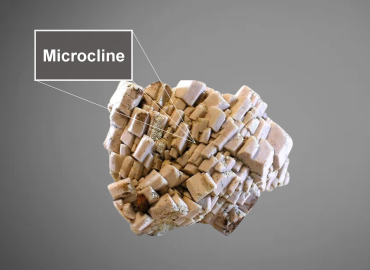
Microcline — a common rock-forming mineral
Microcline — is a common rock-forming mineral of granites and pegmatites, represented by various shades of color.
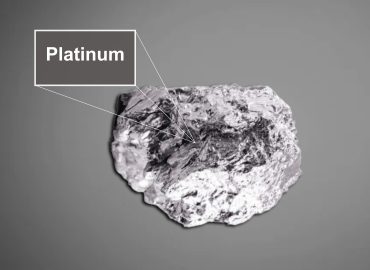
Metals of the platinum group. Genesis, distribution and use
PGE are a rare and valuable raw material for many critical branches of modern automotive industry.
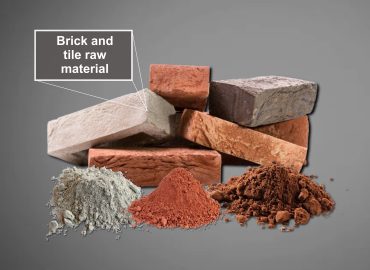
Brick and tile raw materials: properties and values
Brick and tile raw materials — are natural clay rocks that have wet plasticity and the ability to harden after firing.
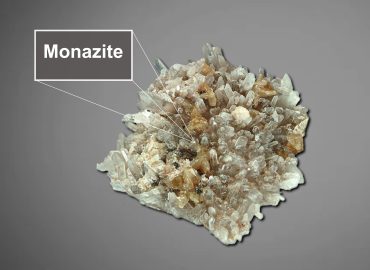
Rare earth elements in Ukraine
Rare earth elements are a group of metals that give materials unique properties
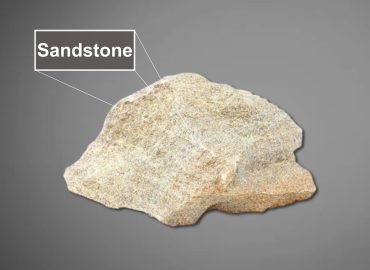
Sandstone. Characteristics, types, and distribution
Sandstone is a dense sedimentary rock formed from cemented grains of quartz and feldspar.
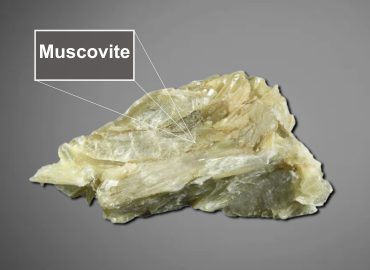
Muscovite. Properties, uses, and deposits
Muscovite is a transparent, layered mica mineral characterized by high elasticity and a glassy luster.
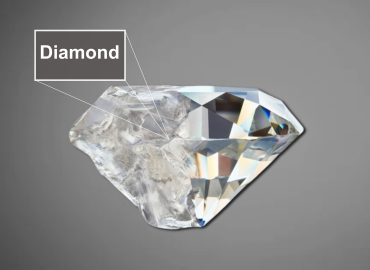
Diamonds. Properties, mining, and use
Diamond is the hardest natural mineral, distinguished by its extraordinary transparency, brilliance, and thermal conductivity.
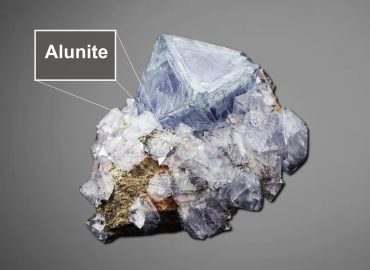
Alunite. Properties, deposits, and prospects for use
Alunite is a sulfate mineral formed by hydrothermal alteration, occurring as white or pink masses.
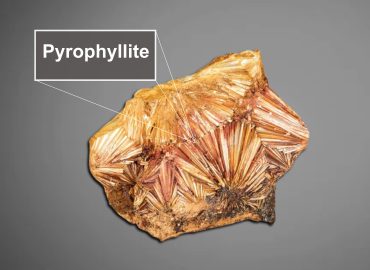
Pyrophyllite. Properties, deposits in Ukraine, applications
Pyrophyllite is a soft layered silicate with a scaly texture.
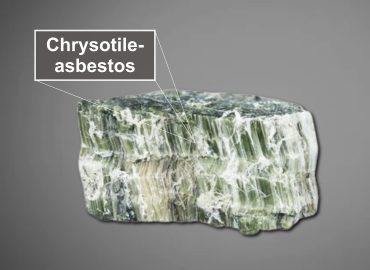
Asbestos. Properties, deposits in Ukraine, applications
Asbestos is used as a refractory and thermal insulation material.
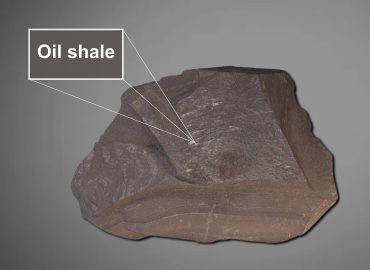
Oil shale. Properties, distribution, and prospects for use
Oil shale is very important for the energy industry.
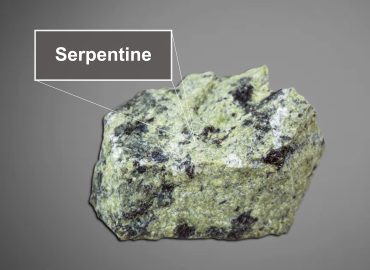
Serpentine. Genesis, properties, and industrial significance
Serpentine is used to make refractory materials.
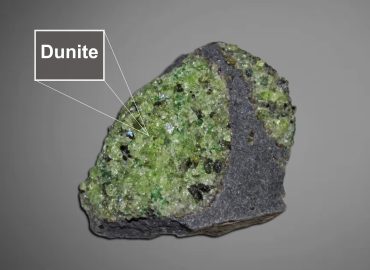
Dunite. Properties, distribution, and industrial significance
Dunite is a fully crystalline intrusive rock rich in magnesium.
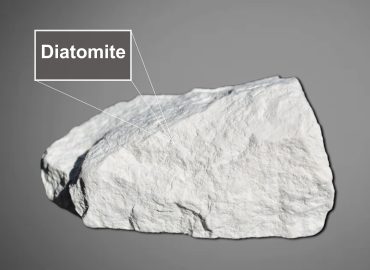
Diatomites and spongolites. Genesis, properties, and industrial significance
Diatomites and spongolites are siliceous rocks of biogenic origin.
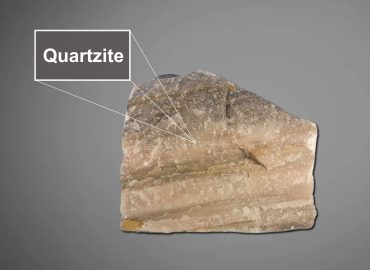
Quartzite. Properties, genesis, distribution, and industrial significance
Quartzite is a metamorphic rock that consists of more than 70% quartz.
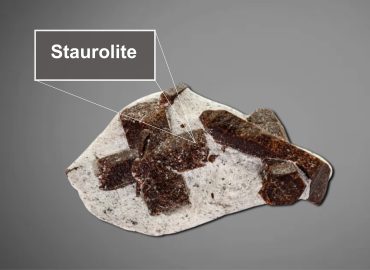
Stavrolite. Characteristics, deposits, and prospects for extraction in Ukraine
Stavrolite is used in metallurgy as a flux material.
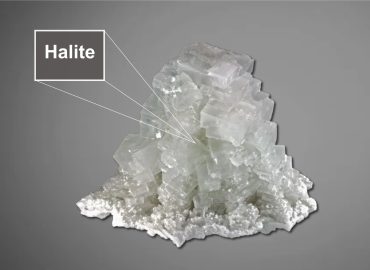
Rock salt. History, extraction, and use
Rock salt, or halite, is one of the most common minerals on Earth.
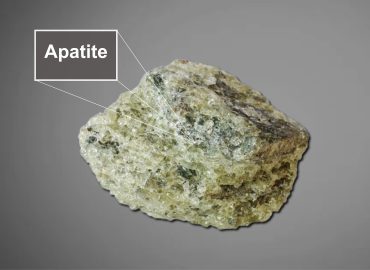
Apatite. Characteristics, distribution, and genesis
Apatite is one of the most important minerals containing phosphorus.